Korea's Central Bank Pushes for Treatment Reforms Reflecting Patient Wishes
Understanding the Disparity Between Patient Wishes and Medical Practices
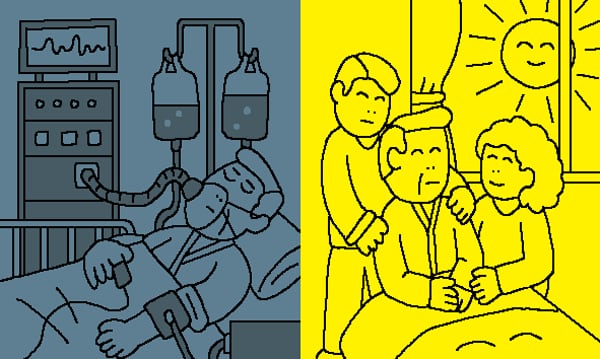
A recent study conducted by the Bank of Korea has uncovered a significant gap between what patients want and what actually happens in medical settings regarding life-sustaining treatment. The report, titled Life-Sustaining Treatment: Whose Choice?, highlights that while 84% of South Koreans aged 65 and older have expressed a desire to avoid such treatments, only 17% of deceased individuals had their wishes respected. This discrepancy underscores the urgent need for institutional reforms to ensure that patient preferences are fully acknowledged and implemented.
The research, a collaborative effort between the Bank of Korea and the National Health Insurance Service (NHIS), utilized NHIS databases to analyze trends in end-of-life care. The findings were presented at a policy symposium focused on preparing for a super-aged society, emphasizing the importance of addressing end-of-life medical care.
Personal Reflections and Institutional Challenges
Bank of Korea Governor Rhee Chang-yong shared his personal connection to the topic, revealing that his late mother had requested no more nutritional supplements and only pain management. He expressed that this choice was not only beneficial for her but also for society. His emotional reflection added a human dimension to the data, highlighting the importance of respecting individual wishes in medical decisions.
Life-sustaining treatment refers to medical interventions that prolong life without therapeutic benefit for patients with no recovery prospects. These include ventilators and extracorporeal life support. Data from 2023 showed that 67% of elderly decedents received such treatment for an average of 21 days. Over the past decade, both the rate and duration of these treatments have increased, raising concerns about the cultural and institutional factors contributing to this trend.
Cultural factors, such as limited societal discussion about death and challenges in reaching family consensus, play a role in this phenomenon. However, institutional limitations, including inconvenient procedures for drafting advance directives, are also key drivers. Advance directives can only be created, registered, or consulted at designated institutions like hospitals, public health centers, and NHIS branches. The requirement for in-person visits reduces accessibility for the elderly and working individuals with time constraints.
Additionally, current regulations mandate that medical institutions have ethics committees to discontinue life-sustaining treatment. However, these committees are primarily available in metropolitan tertiary hospitals and large medical centers, making the system impractical for smaller or rural hospitals.
Rising Medical Costs and Resource Allocation
As the use of life-sustaining treatment increases, so do related medical costs. Analysis revealed that end-of-life medical costs for patients undergoing such treatment rose from an average of 5,470,000 Korean won in 2013 to 10,880,000 Korean won in 2023—a 7.2% annual growth rate. This doubling over a decade highlights a structural imbalance in resource allocation, with heavy investment in treatments that often do not align with patients' wishes.
If current trends continue, NHIS expenditures on life-sustaining treatment are projected to rise from 3 trillion Korean won in 2030 to 6.9 trillion Korean won in 2070. However, if the discontinuation rate aligns with patients’ preferences (around 15%), expenditures could drop to 3.7 trillion Korean won by 2070. This shift could reallocate significant social resources to high-demand end-of-life care services such as hospice and caregiving support.
Pain and Suffering Associated with Life-Sustaining Treatment
The study also highlighted the severe pain experienced by patients undergoing life-sustaining treatment. Researchers developed a “life-sustaining treatment pain index” by quantifying the severity and frequency of pain from seven common treatments. The average physical pain experienced by patients was 3.5 times greater than the maximum pain from a single disease or procedure. For the top 20% of patients on the pain index, the suffering reached 12.7 times the maximum pain level.
To address these issues, the Bank of Korea proposed institutional reforms, including tangible benefits like reduced health insurance premiums for those who complete advance directives and expanding online registration procedures. They also suggested adding optional fields to advance directives—such as preferences for artificial nutrition, organ donation, and proxy decision-makers—to better reflect individual wishes.
Expanding Hospice Facilities and Improving End-of-Life Care
The researchers recommended expanding hospice facilities, as 91% of adults expressed willingness to use them, but only 23% could access them due to shortages. South Korea’s 70% hospital death rate, the highest among OECD countries, underscores the urgency of improving end-of-life care infrastructure. By addressing these challenges, the healthcare system can better meet the needs of an aging population while respecting individual choices and reducing unnecessary suffering.
Posting Komentar