WhatsApp Entrepreneur
The Rise of WhatsApp-Preneurs in Ghana
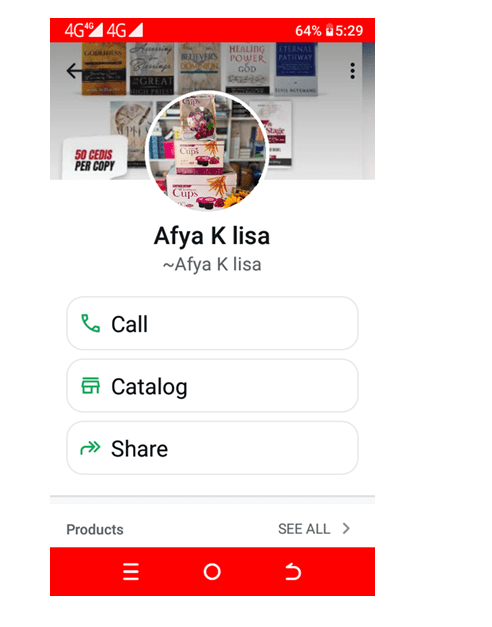
In the digital age, new opportunities for economic empowerment have emerged, especially for women in Ghana. One such example is Afya, a woman entrepreneur who runs her business 24/7 through WhatsApp. This platform has become a lifeline for many, offering a way to generate income without the need for a physical storefront. The term “WhatsApp-Preneur” was coined to describe this growing trend of online businesses that operate primarily through social media platforms.
The right to work is enshrined in several international and national frameworks, including the Universal Declaration of Human Rights (UDHR) and the African Charter on Human and People’s Rights. As digital technologies continue to evolve, they present both challenges and opportunities for employment in Ghana. The rise of WhatsApp as a business tool has been particularly significant for women, who often face barriers in accessing traditional employment opportunities.
Digital Opportunities and Challenges
WhatsApp has become an essential tool for entrepreneurs, offering a convenient and accessible interface for conducting business. For many, it serves as a bridge between different social media platforms, allowing transactions to be completed seamlessly. This convenience has led to a surge in online businesses, particularly among women who are self-employed and working remotely.
According to the Ulti-Leaf Foundation, there are approximately 1.5 million women entrepreneurs in Ghana using WhatsApp for their businesses. These women are not only trading within their communities but also reaching beyond national borders with innovative products made in Ghana. For instance, Afya was able to purchase and receive hard copies of two new books launched in Accra while she was in Kumasi, all within 24 hours.
Economic Empowerment and Sustainable Development
The contributions of women entrepreneurs via WhatsApp have had a significant impact on the economy, contributing to the achievement of Sustainable Development Goal 8, which focuses on decent work and economic growth. These businesses have helped reduce poverty among women and increase digital inclusion. However, these contributions are often not reflected in official labor force data or market information systems.
The government's agenda for a "24-Hour Economy" could benefit from the integration of digital platforms like WhatsApp. A multi-stakeholder approach would be necessary to develop a stimulus package that addresses data usage, data protection, and online safety for women entrepreneurs. This would help increase their participation in the digital economy and close the protection gaps on social media platforms.
Human Rights in the Digital Sphere
The digital environment in Ghana is one where human rights are exercised, including the right to work, safety, and security online. However, there are challenges that need to be addressed. Issues such as online hacking, data harvesting, and unfair algorithmic discrimination against women are prevalent. Additionally, there is no legal definition for digital rights or a framework to assess digital products in Ghana.
The lack of mitigation measures in the National Employment Policy regarding risks posed by digital technologies to decent work is a pressing concern. Women entrepreneurs on platforms like WhatsApp face unique challenges, including the inability to form unions or associations to address issues such as online hacking and data harvesting.
Addressing the Risks of Emerging Technologies
Emerging technologies bring both opportunities and risks. For instance, the use of blockchain technology and chatbots can lead to vulnerabilities if users are not aware of the risks involved. Mobile devices are often hacked, and SIM numbers can be blocked due to violations of terms and conditions, even when the original user is not at fault. In some cases, women are forced to pay hackers to regain access to their accounts.
Many of these women lack the technical know-how to set up end-to-end encryption, two-way verification systems, and avoid scam calls. This highlights the need for targeted training programs to enhance their digital literacy and protect them from online threats.
Strategic Actions for a Safer Digital Future
To mitigate the risks associated with emerging technologies, several strategic actions are recommended:
- Parliamentary Select Committees should define digital rights and incorporate them into law, covering areas such as digital citizenship, digital identity, and the right to be forgotten.
- National Development and Planning Commission should include digital rights and technologies as standalone indicators in national development policies, ensuring they are mainstreamed across all sectors.
- National Cyber Security Authority must adopt a Human Rights Due Diligence framework in assessing digital platforms, collaborating with the Data Protection Agency throughout the product lifecycle of digital public goods.
- Review of the National Employment Policy should involve stakeholders such as ILO, UN Women, UNESCO, and the World Bank to create a special social protection scheme for WhatsApp-Preneurs, including training on safety and security.
- An independent AI Ethic Officer should be established to oversee the ethical use of AI systems, supported by the Network of Independent AI Ethics Officers outlined in the Ghana AI Practitioners Guide (GAIPG, 2025).
Conclusion
Digital technologies are here to stay, and with them come both challenges and opportunities for empowerment and innovation. As we celebrate Human Rights Day, it is crucial for stakeholders to collaborate and implement agile regulations that protect human rights online. By doing so, we can ensure that women entrepreneurs like Afya continue to thrive in the digital economy, contributing to the overall economic growth of Ghana.
Posting Komentar