Power Probe: Reps Summon BPE, Key Investors to Address GENCOs and DISCOs Challenges
Key Developments in Nigeria's Power Sector
Recent developments in Nigeria's power sector have highlighted significant progress, particularly with the increasing profitability of Distribution Companies (DISCOs) since 2023. This has been a focal point during recent investigative hearings led by the House of Representatives, which have emphasized the need for improved governance and collaboration among stakeholders.
The Ad-hoc Committee investigating expenditure in the power sector, chaired by Hon. Ibrahim Al-Mustapha Aliyu, has taken a proactive stance in addressing challenges faced by the industry. During a recent hearing, the committee directed the Bureau of Public Enterprises (BPE) and core investors to provide detailed insights into their operations. The committee’s goal is to ensure transparency and accountability, especially as the government continues to work towards resolving long-standing issues in the sector.
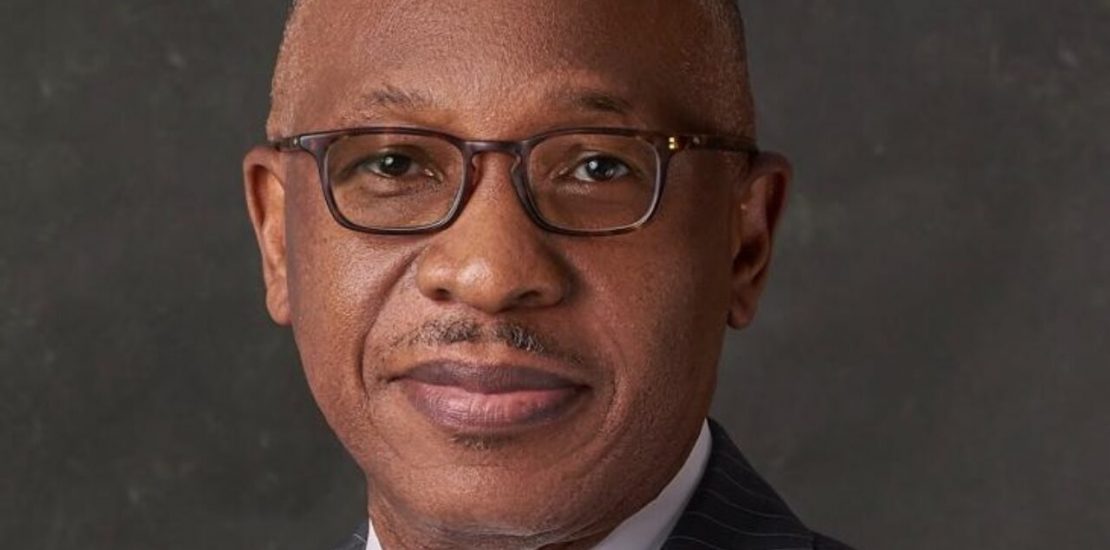
Hon. Aliyu acknowledged the efforts of the BPE Director General, Mr. Ayodeji Gbeleyi, who presented data on the performance of key power plants. He noted that while there has been considerable improvement since the early 2000s, there are still areas that require attention. For instance, the installed capacity of the national grid has grown from approximately 1,500MW in the past to around 10,600MW today. However, the actual generation remains lower, with only about 8,000MW being wheeled and 4,000MW distributed.
This gap highlights the need for better infrastructure and more efficient transmission systems. Mr. Gbeleyi pointed out that after the departure of a Canadian firm, the transmission service charge and other related mechanisms may not be sufficient to meet the country's needs. He attributed this to aging installations that struggle to handle the current demand.
Progress in Power Generation
Despite these challenges, there have been notable improvements in power generation. The Kainji and Jebba hydro power plants, which had a combined output of about 600MW at the time of privatization, now deliver 1,100MW to the grid. This represents a significant increase and reflects the positive impact of private sector involvement.
Similarly, the Egbin power plant, which originally had six turbines each of 220MW, saw only two operational at the time of privatization. Today, all six turbines are active, contributing between 680 to 900MW to the grid. This has made Egbin one of the major providers of power in the country.
Mr. Gbeleyi also highlighted that DISCOs are performing better than they did under the Power Holding Company of Nigeria (PHCN). While there is still room for improvement, he expressed optimism about the sector's future. The implementation of cost-reflective tariff adjustments in April 2023 has helped many DISCOs become profitable, signaling a positive shift.
Focus on Governance and Infrastructure
The BPE is also focusing on improving governance at the DISCO level to minimize leakages and ensure that cash flow is effectively utilized for network improvements. This approach aims to deliver reliable, safe, and affordable electricity to Nigerians.
Another critical area of focus is the transmission sector. With the government owing N4 trillion to the power sector as of December, there is a clear need for financial stability. The total industry revenue for 2024 is expected to reach N2.3 trillion, which is a significant step forward compared to previous years.
Efforts are also being made to enhance the reliability of the grid. This year, the number of grid disturbances has significantly decreased, with fewer than three major incidents reported. Additionally, Nigeria successfully synchronized its power pool with the West African power pool, a milestone that took over 13 years to achieve.
Looking Ahead
As the power sector continues to evolve, the collaboration between the government, BPE, and private investors will be crucial in ensuring sustained growth. The focus on infrastructure development, governance, and financial stability is laying the groundwork for a more resilient and efficient power system.
While challenges remain, the progress made so far demonstrates the potential for further improvements. With consistent effort and commitment from all stakeholders, the Nigerian power sector is on a path toward greater reliability and efficiency.
Posting Komentar