Kigali commuters embrace innovative transport system
The Transformation of Kigali’s Public Transport System
For years, the morning routine for many Kigali residents involved long waits at the bus terminal. People would stand in endless lines, unsure when a bus would finally arrive to take them on their journey. This chaotic situation has been significantly improved with the introduction of a new public transport model known as "Generation 2," launched on December 2.
The reforms, led by the City of Kigali and the Rwanda Utilities Regulatory Authority (RURA), have brought about a noticeable change in the city's transportation system. Commuters now report shorter waiting times and a marked improvement in on-board safety. The shift from a "fill-and-go" model to a time-based schedule has changed the rhythm of daily life in the capital.
Core Pillars of the New Model
According to RURA, the core pillars of the new model are "scheduled service" and "intelligent monitoring." Buses must now depart at specific times, even if they are empty, and are tracked in real-time to ensure compliance. This structured approach ensures that passengers can rely on consistent schedules, reducing the unpredictability that once defined their commutes.
In addition to scheduled departures, the new model introduces dedicated bus lanes, which give public transport priority over private vehicles. This feature was absent in the previous system and has contributed to smoother traffic flow and faster travel times.
Impact on Daily Lives
For students like Claudine Mukeshimana, the changes have eliminated the anxiety of morning delays. A University of Kigali student who commutes daily from Kimironko, she noted that the efficiency of the new system is evident not just in departure times but also in road management. Dedicated bus lanes allow buses to move quickly through certain areas, reducing the time spent on the road.
Emmanuel Niyibizi, an air-conditioning technician from Remera Sector, recalls the overcrowded conditions of 2023. He described the previous experience as uncomfortable, with people packed closely together, making it difficult to breathe. Overcrowding also created opportunities for petty crime, such as theft.
Today, Niyibizi says the experience is vastly different. Buses no longer wait long to be packed beyond capacity, and passengers can now travel comfortably, often seated.
Economic and Social Benefits
The ripple effects of the new model are being felt across the business community. Console Niyonsenga, a retailer who commutes from Gisozi sector to Nyabugogo market, sees the transport reforms as a catalyst for economic growth. She emphasizes the importance of punctuality for her business, noting that the new system helps her reach the market on time.
Niyonsenga also believes that reliable public transport could reduce traffic congestion. If more people opt for the bus system, fewer private cars will be on the road, leading to fewer accidents and less stress for commuters.
Challenges and Future Improvements
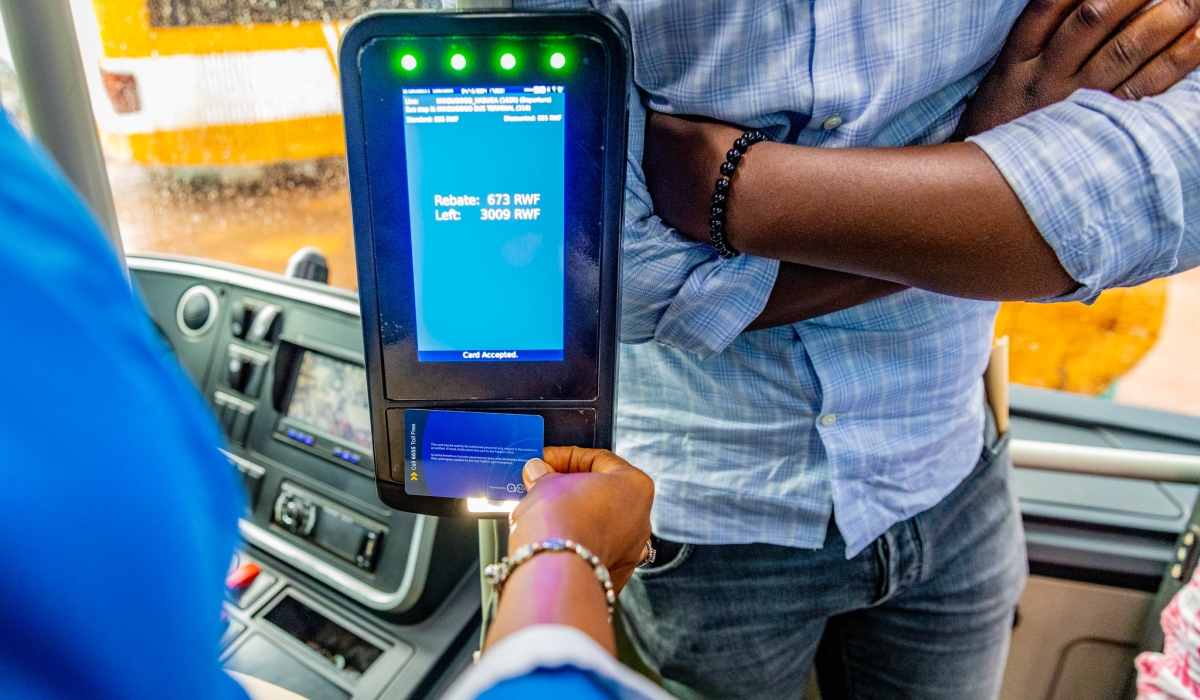
Despite the positive changes, the system still faces some challenges, particularly in the area of digital payments. Emmanuel Ntiyibizi, a technician, highlighted issues with the "Tap&Go" cashless ecosystem. Passengers without a card or insufficient funds are unable to board, causing some to miss buses. Additionally, fees associated with loading cards through agents add unnecessary costs.
However, despite these challenges, the overall sentiment among passengers remains positive. Kwihangana Benjamin, a resident of Gatenga sector, notes that strict departure schedules have made it possible for city dwellers to commute to work on time. He mentions that nobody is late for work anymore, as buses leave precisely at their scheduled times.
Conclusion
The introduction of the Generation 2 public transport model has transformed Kigali’s commuting experience. With scheduled departures, dedicated bus lanes, and improved safety measures, the city is witnessing a more efficient and reliable transportation system. While there are still areas for improvement, the positive impact on daily life, the economy, and overall quality of living is undeniable.
Posting Komentar