Germany Targets Rare Earths During FM's China Trip
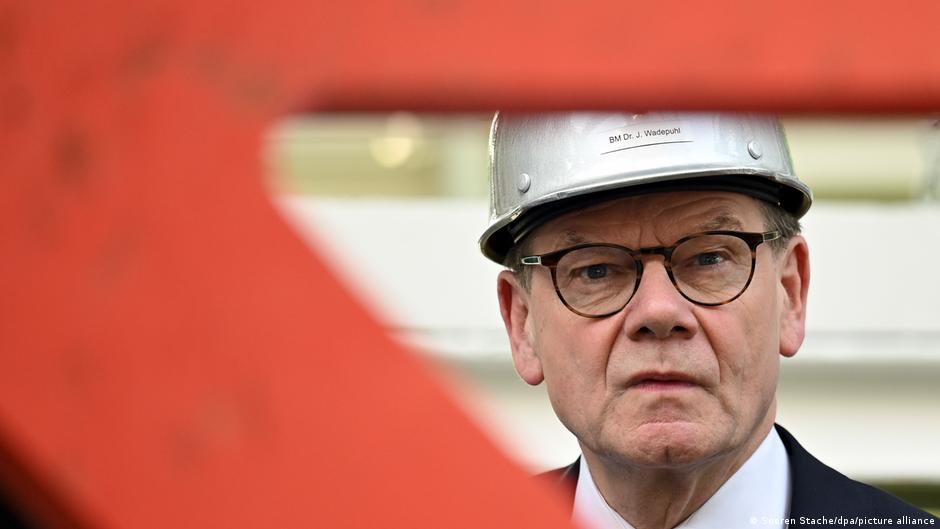
Key Issues on the Agenda During German Foreign Minister’s Visit to China
German Foreign Minister Johann Wadephul’s first visit to China marked a significant moment in bilateral relations, with several critical topics taking center stage. Among them were trade ties, Germany's access to critical rare earth minerals, and the sensitive issue of Taiwan. The visit underscored the complex dynamics between Germany and China, as both nations seek to balance economic interests with political sensitivities.
A Long-Awaited Visit
Wadephul’s inaugural trip to China finally took place after being postponed earlier in the year. Initially scheduled for late October, the visit was canceled due to logistical challenges, including the inability to secure high-level meetings. While no official explanation was given, some analysts speculated that Wadephul’s previous criticisms of China—particularly regarding its stance on Taiwan and the South China Sea—may have played a role in the delay.
China views Taiwan as an inalienable part of its territory and has long maintained that any international criticism of its policies toward the island is interference in internal affairs. This position remains central to Beijing’s foreign policy, and it is a key point of contention in diplomatic relations with other countries.
The Taiwan Issue: A Core Interest
During the visit, Chinese Vice President Han Zheng emphasized that the Taiwan issue is one of China’s core interests. Wadephul reaffirmed Germany’s commitment to the so-called "One-China policy," which requires countries to not recognize Taiwan as an independent state. This policy is a cornerstone of China’s foreign relations, with only 12 countries officially recognizing Taiwan.
Despite this, Wadephul expressed his interest in fair economic and security exchanges with China. He also praised Germany’s historical reconciliation efforts after World War II, contrasting it with Japan’s failure to fully address its wartime aggression.
Economic Ties: A Vital Partnership
China plays a crucial role in the German economy, serving as both a major market and a supplier of essential raw materials. In recent years, China has been Germany’s largest trading partner, although the United States overtook it in 2024. However, projections suggest that China could reclaim its position in 2025.
The trade relationship between the two nations remains strong, with imports from China rising significantly in the first three quarters of 2025. However, concerns about the influx of cheap Chinese goods into European markets persist.
Rare Earths: A Strategic Concern
Germany is increasingly dependent on China for rare earth elements, which are vital for manufacturing components such as motors, generators, and high-performance chips. Although Germany has deposits of these minerals, mining and processing are energy-intensive and environmentally challenging.
China currently dominates the global rare earth market, and its export restrictions are seen as a strategic move to control the use of these resources. While these restrictions are primarily aimed at the U.S., they also affect European companies.
In response, China has offered general export licenses to European and German firms, encouraging them to apply for these permits. However, the issuance of licenses depends on maintaining stable political confidence between the two nations.
Political and Economic Interdependence
The business climate survey conducted by the German Chamber of Commerce and Industry in Greater China highlights the importance of stable political relations between Germany and China. According to the survey, 75% of German companies operating in China believe that good political relations are crucial for their business activities. However, many express concern that current relations may not be sufficient to ensure continued cooperation.
As Germany continues to navigate its complex relationship with China, the focus remains on securing access to critical resources while maintaining diplomatic and economic stability. The upcoming discussions and potential agreements will likely shape the future of this important partnership.
Posting Komentar