Ethiopia Unveils National Digital Payments Plan
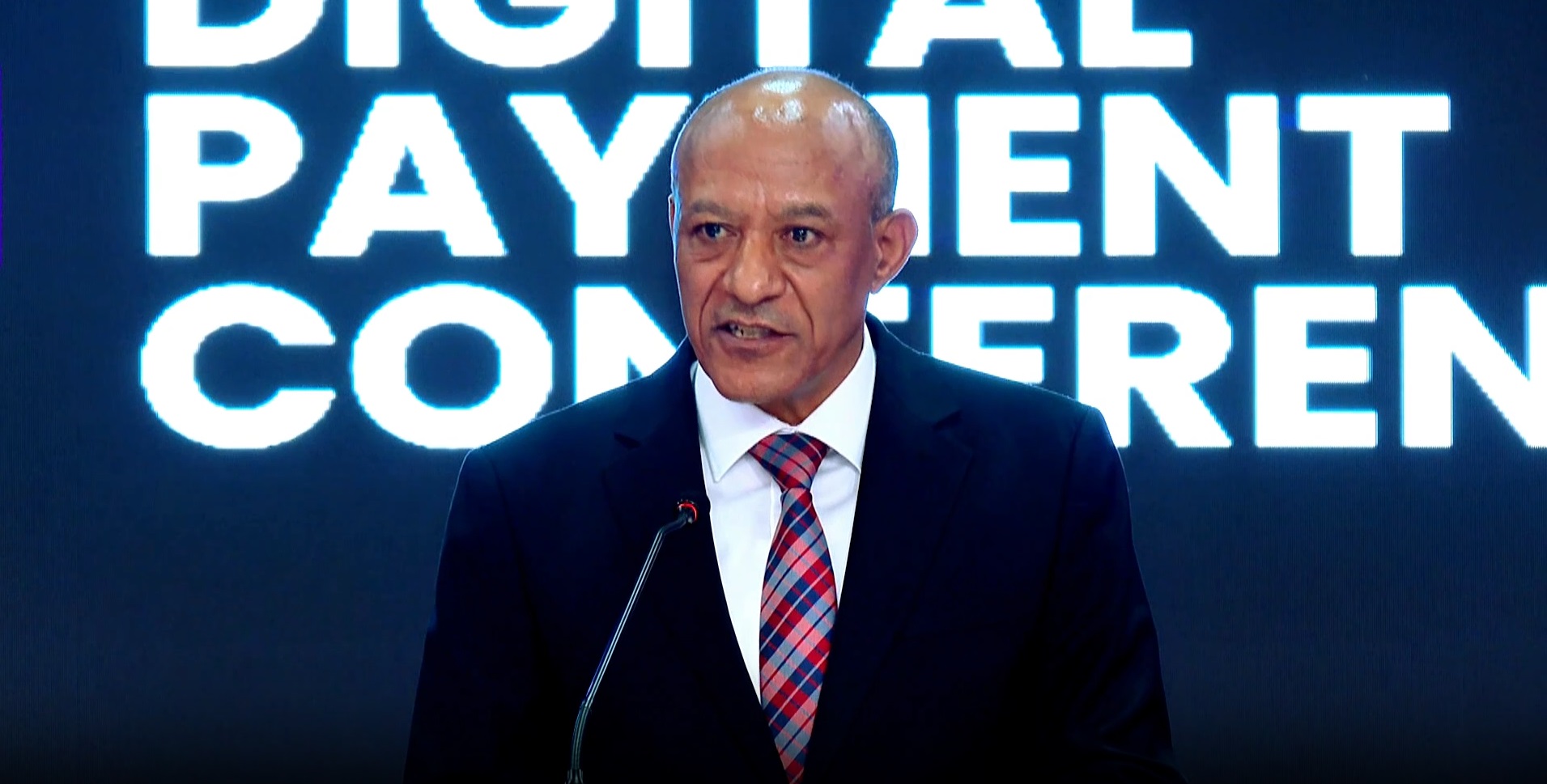
Ethiopia Launches National Digital Payment Strategy and Instant Payment System
Ethiopia has taken a significant step forward in its digital transformation journey with the launch of the National Digital Payment Strategy (NDPS) 2026–2030 and the Instant Payment System (IPS). These initiatives were unveiled at the second Ethiopia Digital Payment Conference held in Addis Ababa, marking a pivotal moment in the country’s efforts to build a more inclusive and cash-lite economy.
The NDPS outlines a five-year roadmap aimed at enhancing interoperability, trust, and innovation within Ethiopia’s digital finance landscape. It focuses on enabling low-value outbound cross-border transfers through various channels such as cards, mobile wallets, and digital banking. The strategy also seeks to expand the adoption of digital payments, upgrade financial infrastructure, and reduce barriers for underserved communities. This comes as Ethiopia’s digital finance sector continues to grow rapidly, driven by increased access to technology and improved connectivity.
The IPS, developed by EthSwitch, the national switch operator, serves as a secure and interoperable infrastructure that supports person-to-person transfers, QR payments, bulk payments, and cross-border transactions. This system forms the backbone of Ethiopia’s evolving digital payment ecosystem, offering users a seamless and efficient way to conduct transactions.
The conference brought together a wide range of stakeholders, including senior government officials, policymakers, regulators, banks, tech innovators, and development partners. Among the attendees was Deputy Prime Minister Temesgen Tiruneh, who emphasized the role of technological access in fostering economic growth and improving citizens’ lives.
Temesgen highlighted Ethiopia’s progress in building a modern digital economy, noting the country’s expansion of digital financial services at an impressive pace. He pointed to the successful implementation of the Digital Ethiopia 2025 strategy, which has now paved the way for the ambitious Digital Ethiopia 2030 initiative. This new strategy aims to deepen digital transformation across economic, governance, and societal frameworks.
He underscored the importance of digital public infrastructure, citing Ethiopia’s annual transaction volume of over 18.5 trillion Birr. Key services such as utility payments have transitioned to digital platforms, supported by the entry of Safaricom Ethiopia and improvements in internet connectivity. The National Digital ID, Fayda, has also played a crucial role in providing millions of citizens with a reliable means to access essential services.
Government initiatives like the e-Gov Service and MESOB have further enhanced transparency and efficiency by offering hundreds of services online. However, Temesgen acknowledged that challenges remain, particularly in ensuring that digital services reach underserved populations. He noted gaps in usage between urban and rural areas and between genders, as well as a lack of trust in digital systems among some groups.
Despite these challenges, Temesgen expressed optimism about the future and called for collaboration among all stakeholders—financial institutions, innovators, academia, and development partners—to build a more inclusive digital economy. He emphasized the need for strong consumer protection measures and innovation tailored to the needs of Ethiopians.
A Vision for Inclusive Growth
National Bank of Ethiopia Governor Eyob Tekalign also addressed the conference, highlighting the rapid advancements in digital transformation across Ethiopia and Africa. He noted the growing adoption of digital payment systems and their potential to drive economic growth. Ethiopia, like many emerging economies, is undergoing a remarkable digital transformation, with rising demand for financial services fueled by ongoing investments in digital infrastructure.
Eyob pointed out that digital transactions in Ethiopia have surged dramatically, marking a historic shift in the country’s transaction landscape. Ongoing enhancements to the national payment infrastructure are improving efficiency and security while laying the foundation for a robust digital financial system.
He acknowledged persistent challenges, including gender disparities in technology access, limited emergency services, and increasing cybersecurity risks. Eyob stressed the importance of collaboration between the public and private sectors to address these issues. He also outlined key components of the NDPS 2026–2030, which include establishing a safe and trusted digital payment system, enhancing gender inclusivity in financial service design, and creating interoperable systems for cross-border payments.
Additionally, the strategy will support the establishment of a National Data Exchange and expand access to essential services. These efforts aim to create a more inclusive and resilient digital economy that benefits all Ethiopians.
Posting Komentar