Autistic Volunteer Lands Paid Job at Waitrose After Conflict Over Free Work
A New Beginning for an Autistic Volunteer
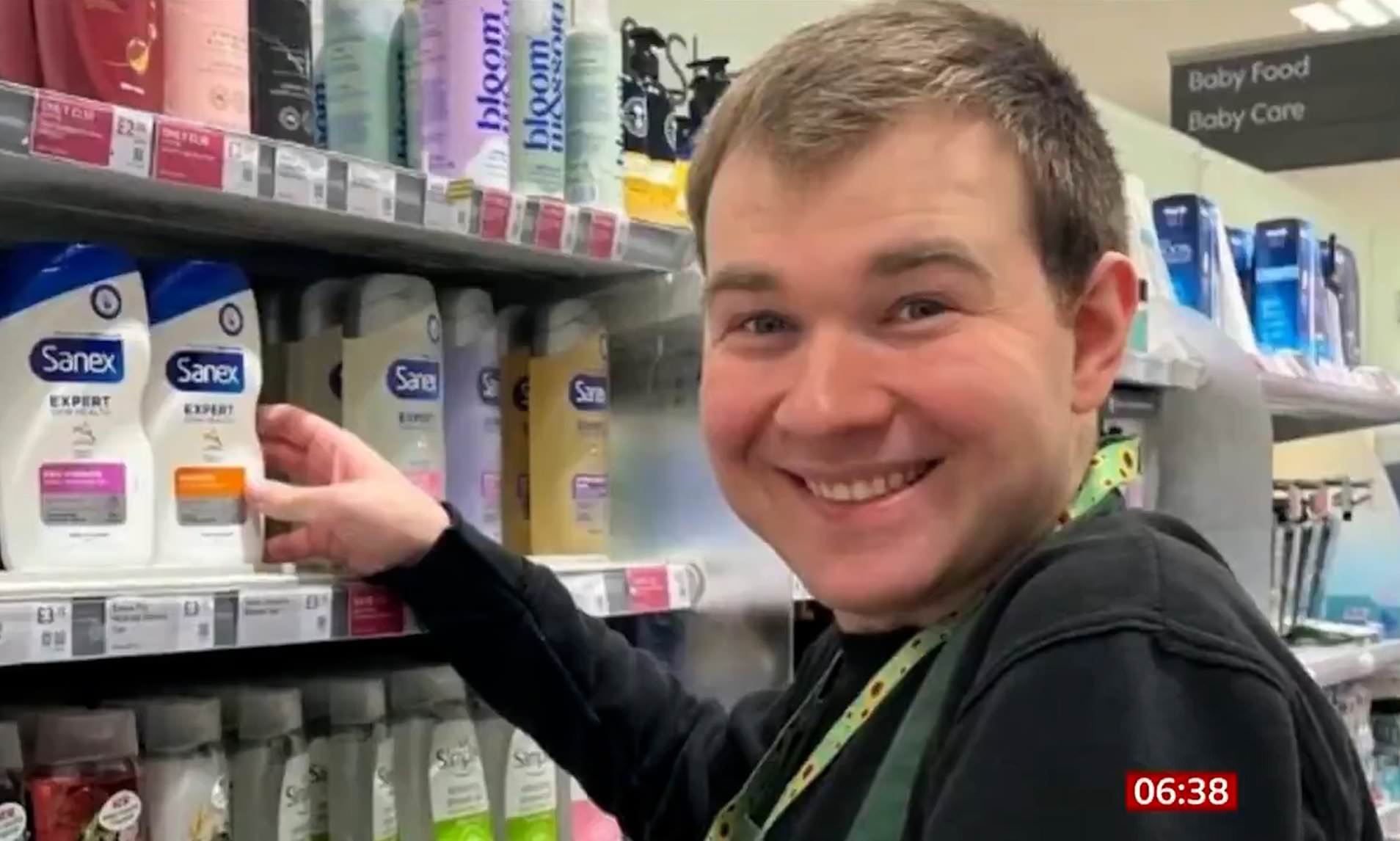
After a significant public response, a 28-year-old autistic volunteer named Tom Boyd has been offered a formal job at Waitrose. This development marks a positive shift in his journey from unpaid work experience to paid employment.
Tom had been working for free at a Waitrose branch in Cheadle Hulme, Greater Manchester, since 2021, with the support of a professional worker. His mother, Frances Boyd, asked if her son could be given "just a few paid hours" in July. However, the head office of Waitrose informed her that his work experience placement needed to end.
This decision sparked a public outcry, and eventually, Asda offered him a paid position. In response, Waitrose reversed its decision and announced that Tom would start as a "paid partner" in January. Mrs. Boyd shared that Tom was very excited about his new role and had already received his uniform.
The supermarket explained that the family requested the job start to be delayed until the new year to avoid the busy Christmas rush. For now, Tom is working a few hours a week at his local Asda.
Understanding Volunteer Rights
Volunteers do not have the same rights as employees because they do not have a contract of employment. They typically receive a volunteer agreement outlining supervision, training, insurance coverage, health and safety issues, and any expenses covered by the organization. While this agreement is not mandatory, it sets expectations but does not form a legal contract.
A Waitrose representative expressed delight that Tom accepted their offer and looked forward to welcoming him in January. The company emphasized that they have Tom’s best interests in mind and have worked closely with his family to ensure he receives the necessary support. They are also collaborating with charities and specialists to provide fair opportunities for people with neurodiversity.
Although the exact salary is not disclosed, based on the company's national rate, which increased by 15p since October, Tom will earn £12.60 per hour.
Advocacy and Government Support
Since sharing her son's story publicly, Mrs. Boyd met with Stephen Timms, the Minister for Social Security and Disability, to request the reinstatement of the government's "Access to Work Plus" scheme. This initiative helped volunteers transition into paid employment, but a two-year trial ended in March last year.
Mr. Timms showed interest in the matter but was unable to confirm if the program would reopen. A spokesperson for the Department of Work and Pensions (DWP) expressed happiness that Tom is starting paid work and mentioned that the DWP is investing £1 billion annually by the end of the decade to support sick, disabled, or neurodivergent individuals in finding good, secure jobs.
An independent expert panel is currently examining how employers can enhance workplace inclusivity.
Community Support and Reactions
Staff at the supermarket allowed Mr. Boyd to volunteer after his parents and support workers reached out to them four years ago. Over time, he accumulated more than 600 hours of unpaid work, prompting his mother's request for payment this summer.
Greater Manchester Mayor Andy Burnham supported Mr. Boyd, criticizing the treatment he received and vowing to assist him in finding another placement. The mayor also encouraged all employers, including Waitrose, to adopt the Bee Neuro-inclusive Code of Practice.
Mrs. Boyd, a former charity director, blamed Waitrose head office for rejecting her request for paid work for her son. She stated that the bosses were concerned about the number of unpaid shifts he had completed and decided he could not work again until the situation was resolved.
Personal Impact and Emotional Struggles
Mrs. Boyd described her son's love for his job, admitting she had to lie to him about why he couldn't return to work. She told BBC Breakfast that Tom started at Waitrose during a college placement, beginning with one hour a week and gradually increasing his hours as he became more proficient.
Eventually, when he left college, they asked if he could increase his time to two days, which he did. They believed the arrangement was working well and thought it was reasonable to ask if there was a possibility of paid work.
She explained that Tom's role involved bringing stock from the stockroom, placing it on the shop floor, stacking shelves, and ensuring everything was well-stocked. He loved the sense of belonging and the structure of going to work, which gave him a feeling of independence.
Mrs. Boyd said that once the placement ended, Tom struggled to understand why he could no longer work at Waitrose. She had to create a story, telling him the shop was being cleaned temporarily and that he couldn’t go back until it was done.
Posting Komentar